

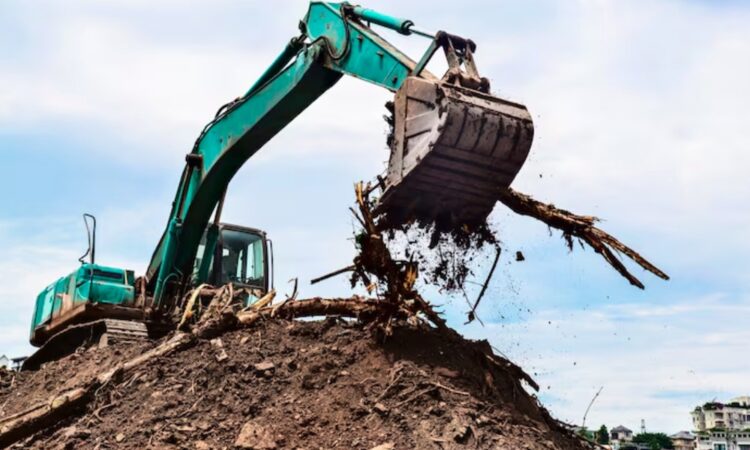

Soil erosion is a significant environmental challenge that can lead to the loss of fertile land, damaged ecosystems, and clogged waterways. Traditional land clearing methods often exacerbate this problem by removing vegetation and exposing bare soil to the elements.
However, modern land management techniques have introduced more sustainable alternatives. One of the most effective methods for protecting the earth is a specialized mechanical process that manages vegetation while simultaneously reinforcing the ground.
By understanding the mechanical and biological advantages of this approach, property owners can see how forestry mulching serves as a primary defense against land degradation.
1. Creation of a Protective Organic Barrier
The most immediate benefit of this clearing method is the creation of a dense layer of wood chips and organic fiber. Unlike traditional clearing that leaves the earth vulnerable to wind and rain, the process of forestry mulching covers the ground with a thick, protective carpet.
This organic barrier acts as a shock absorber, dissipating the energy of falling raindrops before they can displace soil particles.
By keeping the earth covered, the mulch prevents the formation of rills and gullies, ensuring that the topsoil remains exactly where it belongs even during heavy storm events.
2. Enhancement of Water Infiltration Rates
Bare, compacted soil often acts like a waterproof surface, causing rainwater to wash over the top and carry away sediment. When a site undergoes forestry mulching, the resulting debris creates a porous surface that slows down the movement of water.
This allows moisture to soak gradually into the ground rather than running off into nearby streams or drainage systems.
By increasing the infiltration rate, the land can recharge its groundwater levels while significantly reducing the volume and velocity of surface runoff that typically causes downstream erosion and flooding.
3. Preservation of Underground Root Structures
Traditional excavation methods involve pulling stumps and roots out of the ground, which can destabilize the internal structure of the soil. In contrast, the machines used in forestry mulching grind trees and brush down to the ground level without disturbing the subsurface.
The remaining root systems stay in place, acting like a natural underground anchor that holds the soil together.
Over time, as these roots slowly decay, they create channels for air and water, but in the short term, they provide the mechanical strength necessary to prevent landslides and soil shifting on sloped terrains.
4. Long-Term Soil Enrichment and Stability
Erosion is often worse in poor-quality soil that lacks organic matter. As the mulch created during the clearing process begins to decompose, it turns into rich humus. This added organic matter improves the soil structure, making it more cohesive and resistant to being washed away.
Professional forestry mulching essentially recycles existing nutrients back into the earth, fostering a healthier environment for new vegetation to take root.
A healthy, nutrient-rich soil with a strong structure is naturally more resilient to the erosive forces of nature than depleted, sandy, or clay-heavy earth.
5. Reduction in Site Compaction and Disturbance
Heavy machinery can often do more harm than good by compacting the soil, which prevents plant growth and increases runoff. The specialized equipment utilized for forestry mulching typically has a lower ground pressure than standard bulldozers or excavators.
This means the machinery can move across the site without crushing the soil pores or creating deep ruts that can turn into erosion channels.
By minimizing the physical footprint of the clearing operation, the land maintains its natural ability to breathe and manage water, which is a fundamental requirement for preventing long-term erosion.