

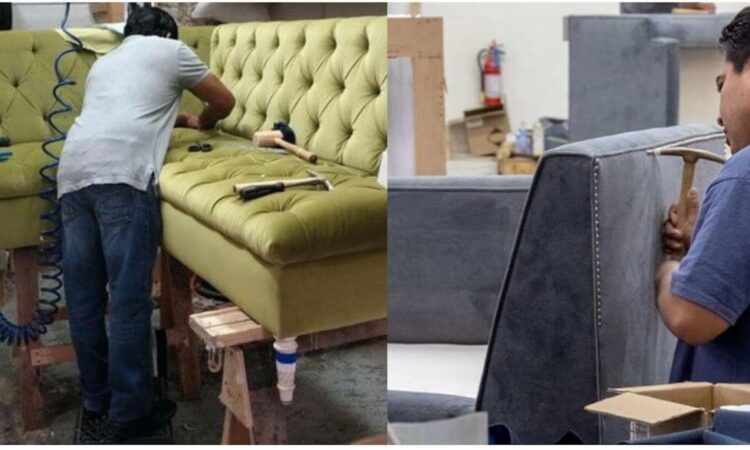

Your sofa is more than just a piece of furniture—it’s the centerpiece of your living room, a comfort zone after a long day, and a hub for family gatherings. But what happens when it starts showing signs of wear and tear? Torn upholstery, sagging cushions, or squeaky frames can make your once-comfy sofa look tired and worn. The big question arises: should you sofa repair your sofa or replace it entirely? Making the right decision can save you money and even prolong the life of your favorite furniture.
In this blog, we’ll guide you through the expert tips to decide between repairing or replacing your sofa while helping you make an informed, cost-effective choice.
Signs Your Sofa Might Need Repair
Not every sofa issue requires a complete replacement. Sometimes, a little repair can bring your couch back to life. Here are common problems that are usually fixable:
Sagging Cushions – Over time, cushions lose their firmness due to prolonged use. Re-stuffing or replacing the foam can restore comfort without spending on a new sofa.
Minor Fabric Tears – Small rips, scratches, or worn-out areas can often be sewn or patched. Professional upholstery services can make these repairs seamless.
Loose Legs or Frames – A wobbly sofa isn’t just annoying—it can become unsafe. Tightening screws, adding brackets, or reinforcing the frame can solve structural issues.
Stains and Faded Fabric – Deep cleaning, stain removal treatments, or re-dyeing can refresh your sofa’s look without replacement.
When Repairing Is the Smarter Choice
Repairing your sofa makes sense in several scenarios, particularly when:
The damage is superficial or localized – Small tears, minor stains, or loose legs are usually cheaper to fix than replacing the entire piece.
The sofa has sentimental or high-quality value – Heirloom pieces or high-end sofas are often worth repairing because replacement could be more expensive than professional restoration.
You want a temporary fix before reupholstery – Repairing first can extend the sofa’s life while you plan a more extensive refurbishment.
Expert Tip: DIY repairs can save money, but consulting a professional upholsterer ensures quality work, especially for valuable or delicate sofas.
Signs It’s Time to Replace Your Sofa
Sometimes, repair is not a practical solution. Knowing when to replace can prevent wasted money and frustration. Look out for these signs:
Widespread Structural Damage – If multiple areas of the frame are broken or the sofa creaks and sinks in several spots, replacement may be more economical.
Extensive Fabric Damage – Large rips, burns, or permanent stains are often too costly or difficult to repair professionally.
Outdated Design or Poor Comfort – A sofa that no longer suits your style, comfort needs, or room layout might be better replaced than patched up.
High Repair Costs Exceed Replacement – If the estimated cost of repair approaches or exceeds the price of a new sofa, investing in a replacement is a smarter choice.
Pro Tip: Always get a repair estimate first. Sometimes what seems like a minor issue could hide bigger problems, influencing your decision.
Cost Comparison: Repair vs Replace
Here’s a rough cost breakdown to help you make a money-wise decision:
Repair Costs
Minor cushion replacement: $50–$150
Professional upholstery for small tears: $100–$300
Frame reinforcement: $75–$200
Replacement Costs
Budget sofa: $300–$600
Mid-range sofa: $600–$1,200
High-end designer sofa: $1,500+
By comparing repair and replacement costs, you can see why minor repairs are often the cheaper, more sustainable choice—but larger issues usually justify investing in a new sofa.
Tips to Extend Your Sofa’s Lifespan
Whether you repair or replace, taking preventive measures can help your sofa last longer:
Regular Cleaning – Vacuum, dust, and spot-clean stains promptly.
Rotate Cushions – Prevent uneven wear and sagging by rotating or flipping cushions regularly.
Avoid Direct Sunlight – Protect the fabric from fading by keeping it out of harsh sunlight.
Use Protective Covers – Slipcovers or throws can shield your sofa from daily wear, pets, and spills.
Final Thoughts
Deciding whether to sofa repair Dubai or replace your sofa doesn’t have to be stressful. Small damages and structural issues can often be repaired, saving you money and prolonging your sofa’s life. However, widespread damage, outdated design, or excessive repair costs may justify a replacement.
By evaluating the extent of damage, considering costs, and understanding your sofa’s value, you can make a smart, budget-friendly decision. And remember, proper maintenance and timely repairs will ensure your sofa remains a comfortable and stylish centerpiece of your home for years to come.