

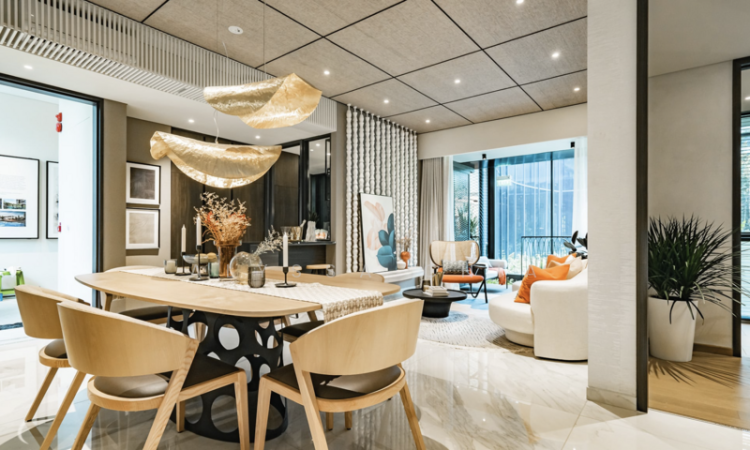

Personal interiors often reflect taste through carefully chosen statement pieces that feel intentional and expressive. Furniture choices shape atmosphere, mood, and daily comfort in subtle but lasting ways. Across global design circles, living furniture bangkok reflects expressive craftsmanship paired with confident urban influence. These styles encourage bolder decisions that feel personal rather than predictable.
Defining Presence Through Statement Furniture
Statement furniture introduces intention before decoration ever enters the room, setting expectations through form and proportion alone. Strong silhouettes and confident materials immediately command attention without needing excessive ornamentation. Rather than blending quietly into backgrounds, these pieces establish direction while allowing surrounding elements to respond naturally.
Materials And Forms Creating Visual Strength
Material selection determines how furniture communicates personality within a space, shaping both visual and tactile perception. Distinct finishes paired with confident forms establish memorable impressions while maintaining functional comfort. Designers often balance refinement and boldness carefully to preserve long-term appeal.
- Solid woods with expressive grain character
- Sculpted metal frames offering visual contrast
- Textured upholstery enhancing tactile interest
- Polished stone surfaces grounding arrangements
Together, these materials create presence without overwhelming the environment or competing for attention. Each surface contributes depth while reinforcing the furniture’s structural confidence. When combined thoughtfully, strength feels intentional rather than excessive.
How Does Bold Furniture Shape Daily Experience?
Furniture influences daily routines beyond appearance, subtly affecting how spaces are used and enjoyed. Bold pieces often encourage slower moments, inviting people to notice comfort and form together.
Does a striking sofa change how evenings are spent sharing conversations or quiet time? Over repeated use, presence becomes familiarity rather than novelty.
Color Choices That Command Attention
Color plays a defining role in how furniture announces itself while shaping emotional response. Confident hues draw focus, while controlled contrasts prevent visual fatigue over time. Thoughtful application ensures impact without distraction or imbalance.
- Deep neutrals grounding expressive interiors
- Saturated tones introducing confident personality
- Soft contrasts supporting visual balance
- Muted finishes offering long-term comfort
When color feels deliberate, rooms gain clarity and cohesion rather than visual noise. Furniture becomes a focal point without dominating every surface. This balance encourages comfort alongside expressive confidence.
Where Should Statement Pieces Be Positioned?
Placement determines whether bold furniture feels intentional or intrusive within a layout. Positioning often follows sightlines and daily movement, allowing pieces to anchor space naturally.
Can a single item redefine how the room is visually understood? When placed with care, boldness enhances flow instead of interrupting it.
Craftsmanship That Elevates Visual Authority
Craftsmanship defines longevity and credibility within statement furniture, shaping how pieces age over time. Careful joinery, refined detailing, and precise finishing communicate trust and quality instantly. Within curated collections inspired by living furniture bangkok, craftsmanship reflects cultural depth blended with modern refinement. Such attention allows expressive designs to remain respected rather than fleeting.
What Makes A Statement Piece Feel Personal?
Personal connection often determines whether bold furniture remains meaningful over years of use. Memories, lifestyle needs, and cultural references shape emotional attachment quietly.
Does the piece reflect how life is actually lived rather than passing preference? When connection exists, furniture feels expressive rather than imposed.
Spaces Shaped By Confident Furnishings
Confident furniture gradually reshapes how spaces are experienced on a daily basis. Rooms gain clarity as strong pieces establish visual anchors and functional order. Over time, these furnishings feel familiar while retaining quiet authority. Such environments reflect individuality through enduring, thoughtful design without seeking attention.