

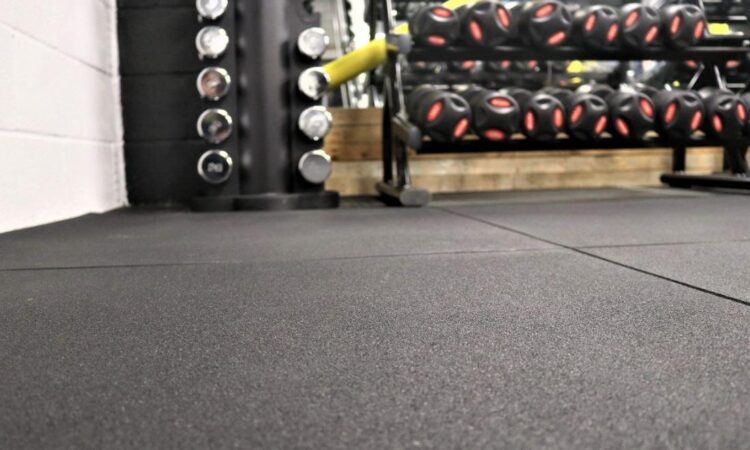

Rubber flooring has become a preferred choice across residential, commercial, and industrial environments due to its exceptional durability, safety features, and design versatility. From gyms and schools to hospitals, offices, and modern homes, rubber flooring offers a practical balance between performance and aesthetics. As flooring requirements continue to evolve, rubber flooring stands out as a long-term solution that meets both functional and visual expectations.
What Is Rubber Flooring?
Rubber flooring is manufactured from natural rubber, synthetic rubber, or a combination of both. It is available in various forms, including tiles, rolls, sheets, interlocking mats, and rubber planks. The material is engineered to provide resilience, impact resistance, and slip resistance, making it suitable for high-traffic and demanding environments. Its flexibility and strength allow it to withstand heavy loads while maintaining comfort underfoot.
Key Advantages of Rubber Flooring
One of the primary reasons rubber flooring is widely used is its outstanding durability. It is highly resistant to wear and tear, scratches, and dents, even in areas with constant foot traffic or heavy equipment. Unlike many traditional flooring options, rubber does not crack or chip easily, which significantly extends its lifespan and reduces replacement costs.
Safety is another major advantage. Rubber flooring naturally provides excellent slip resistance, even when exposed to moisture. This makes it ideal for gyms, playgrounds, hospitals, and commercial kitchens where reducing the risk of slips and falls is critical. Additionally, its shock-absorbing properties help minimize impact injuries, making it especially suitable for sports and fitness areas.
Comfort is also a defining feature of rubber flooring. The cushioned surface reduces fatigue, making it comfortable for people who stand or walk for long periods. This benefit is particularly valuable in workplaces such as factories, retail stores, and healthcare facilities.
Applications of Rubber Flooring
Rubber flooring is highly versatile and can be adapted to a wide range of environments. In fitness centers and gyms, it is commonly used due to its ability to absorb impact, reduce noise, and protect subfloors from heavy equipment. In schools and childcare facilities, rubber flooring provides a safe, durable, and easy-to-clean surface that supports active use.
In healthcare settings, rubber flooring is valued for its hygiene and comfort. It is resistant to stains, moisture, and bacteria, making it easier to maintain a clean and sanitary environment. Offices and commercial spaces also benefit from rubber flooring, as it combines durability with modern design options that enhance interior aesthetics.
Residential applications are growing as well. Rubber flooring is increasingly used in home gyms, playrooms, kitchens, and basements due to its water resistance, comfort, and contemporary look.
Design and Aesthetic Options
Modern rubber flooring is available in a wide variety of colors, textures, and patterns. From solid tones and speckled finishes to wood-look and stone-inspired designs, rubber flooring can complement both minimalist and bold interior styles. Tiles allow for creative layouts, while rolls and sheets provide a seamless, uniform appearance.
Custom thickness options are also available, allowing users to select the level of cushioning and durability required for specific applications. This design flexibility makes rubber flooring suitable not only for functional spaces but also for stylish interiors.
Maintenance and Sustainability
Rubber flooring is known for its low maintenance requirements. Regular sweeping and occasional damp mopping are usually sufficient to keep the surface clean. It does not require polishing, waxing, or complex treatments, which helps reduce long-term maintenance costs.
From an environmental perspective, many rubber flooring products are manufactured using recycled materials, such as recycled tires. This contributes to waste reduction and supports sustainable building practices. Additionally, rubber flooring has a long service life, which further minimizes environmental impact over time.
Installation and Longevity
Rubber flooring can be installed using different methods, including adhesive bonding, loose-lay systems, or interlocking designs. Professional installation ensures optimal performance and longevity, especially in large commercial or industrial projects. Once installed, rubber flooring Dubai retains its appearance and functionality for many years, even under demanding conditions.
Its resistance to moisture, temperature changes, and heavy use makes it a reliable choice in both indoor and outdoor applications, depending on the product specification.
Conclusion
Rubber flooring is a smart investment for anyone seeking a flooring solution that combines durability, safety, comfort, and design flexibility. Its wide range of applications, low maintenance requirements, and sustainable options make it suitable for modern residential, commercial, and industrial environments. Whether used in a gym, office, school, healthcare facility, or home, rubber flooring delivers long-lasting performance while enhancing both safety and aesthetics.