

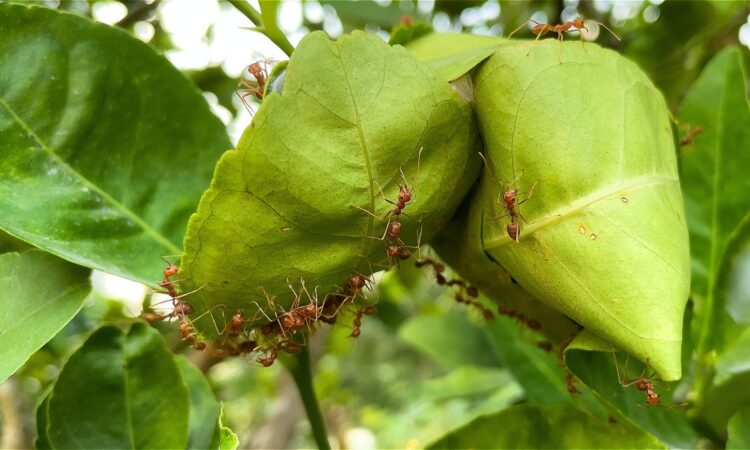

One of the best parts about living in Riverside is our history of citrus groves. Many of us still have lemon and orange trees in our own backyards. While these trees provide delicious fruit, they also attract stubborn pests.
Argentine ants love our local climate and often use citrus trees as their headquarters. Once they establish a colony, they can quickly spread to your neighbors’ properties.
You can find more tips on protecting your landscaping at akelapest.com, where you can see how local experts manage these spreading colonies. They know that stopping these ants in one yard helps keep the whole neighborhood much cleaner.
The Strange Relationship Between Ants and Citrus.
Riverside homeowners are often surprised to learn that ants do not actually eat the citrus fruit. Instead, they protect small insects such as aphids that live on leaves. These pests produce a sticky, sweet liquid called honeydew that ants love.
The ants act like tiny farmers by guarding the aphids from ladybugs and other predators. This indicates your tree is likely experiencing a secondary pest problem as well. The ants keep the aphids safe, while the aphids slowly drain the health of your citrus branches.
Why Your Backyard Tree is an Ant Highway.
Argentine ants are famous for building massive “super-colonies” that stretch across multiple yards. In Riverside, these ants move along fences, irrigation lines, and overgrown branches. They use your citrus tree as a bridge to reach higher ground and find new food.
Because our local soil is often dry, the moist environment under a well-watered tree is the perfect place for them to nest. If you see a thick line of ants on the trunk, they are likely moving supplies between different nesting sites.
Managing Moisture and Food Sources Outdoors.
Ants are always looking for water, especially during our hot Riverside summers. Leaky irrigation or over-watered lawns provide the perfect hydration for a growing colony.
Check your drip systems regularly to make sure there are no puddles near the base of your trees. It is also helpful to pick up any fallen fruit that has cracked open on the ground.
While ants prefer honeydew, they will feast on a rotting orange if it is easy to reach. Keeping your yard dry and clean removes the incentive for ants to stay and multiply.
Smart Ways to Break the Connection to the Ground.
Stopping the spread of ants requires cutting off their access to the tree canopy. It is important to address the physical paths they use to move between the soil and your branches.
Create a Sticky Trunk Barrier.
You can stop ants from climbing by applying a sticky garden gel around the main trunk. Wrap the tree in protective fabric first to prevent bark damage.
This barrier acts like a moat that the ants cannot cross to reach the aphids. Check it regularly to ensure it has not become covered in dust.
Prune the Lower Skirt of the Tree.
Prune your citrus trees so that no branches touch the ground. This “skirting” forces the ants to use the main trunk, making your sticky barrier much more effective. In our sunny weather, you may need to do this a few times a year.
Eliminate Structural Bridges.
Ants will look for alternative entry points into your tree if the trunk is blocked. Check to see if any branches are touching a wooden fence or the side of your house. If they are, you must trim them back to create a clear gap of a few inches.
Clear the Leaf Litter and Debris.
Make sure the area under your citrus tree is clear of tall weeds and leaf piles. These provide hidden bridges that ants use to jump onto low-hanging fruit. A clean area under the tree makes it much harder for a colony to hide or thrive.
If you are struggling with ants taking over your yard, Akela Pest Control is ready to help. They provide professional treatments that protect your citrus trees and keep your entire property safe from pests.