

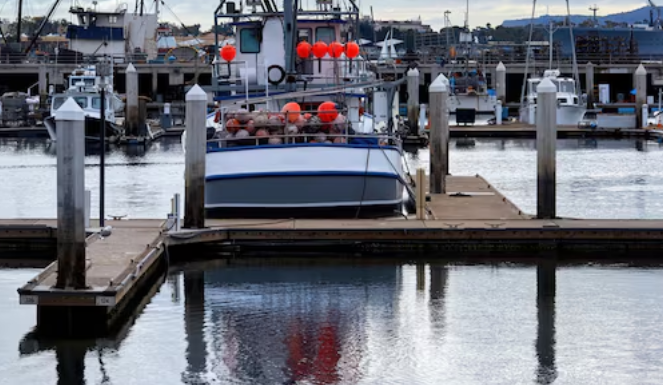

The style of the dock is not the only thing to consider. It is important to match the dock with your shoreline and how you plan to use it. Both are effective, but they do not work under the same circumstances. This guide will help you understand the differences and trade-offs. This guide will also show you how to quickly make a decision. If you want a quick answer, jump to the scenarios or checklist. If you like details, take your time.
Quick Take
- Dock floating: Modular and follows the water level. Ideal for lakes with fluctuating water levels and protected shorelines.
- Fixed dock: A fixed dock is best for boats with heavier weights and stable water levels.
- Consider the following: depth changes, type and exposure of bottom, waves and wakes.
Supreme Floating Docks designs both. However, we start by studying your water. The brochure isn’t as important as your site.
Step 1: Read Water
Before choosing a dock, you should take a walk around the site and note down some information.
- Compare your normal depth and seasonal low to what you have seen. Large swings can be indicative of floating.
- Sand and mud can be easily piling or anchored. Rock requires planning.
- Exposure: Open water with a large fetch or in a protected cove. This will determine your stability requirements.
- Traffic and busy roads will be felt.
- Winter forces: Storm surges and debris such as ice can affect the way sections are secured or removed.
- Utility and lifts. The layout and structure is affected by power, water and illumination.
- Safety and accessibility: handrails, ramps for kayaks, swim ladders at night, and even lighting.
Once you have the notes, it will be much easier to make a decision. You can stop guessing.
What is a floating Dock?
The floating dock is supported on buoyant floats. Anchors, guide pilings or shore hardware can be used to secure it. It is important that the dock moves in accordance with the current to make boarding predictable.
The sun is shining
- No fuss tracking seasonal tides, drawdowns and tidal movements
- You can easily board the boat because you are kept close to the surface.
- Modular sections can be rearranged, adapted to seasonal changes or moved.
Look out for
- The wake zone or chop zone is a source for motion.
- Anchors, chains, and hinge pins need to be checked regularly.
- The deck will creak and thump when water is flowing beneath it.
Common anchoring techniques
- Choose between piles, sleeves with rollers, or shore cables depending upon the type of bottom or exposure.
Supreme Floating Docks are made with marine grade hardware, encapsulated floats and can withstand the sun, salt water and normal usage. All hardware is labelled to make it easy to remove for the season.
What is a fixed dock (Static Dock?
The dock is supported by pilings driven into the lake or seabed. Deck height remains constant.
The sun is shining
- The ground is stable and quiet.
- Ideal platform for larger vessels
- Elevators, pedestals, and lighting can all be seamlessly integrated.
Look out for
- The deck will not be affected by water movement. Plan steps or a gangway
- The upfront cost of permits and other fees can be high.
We also value the details. Your dock’s feel will be determined by the layout of your piles, cap connectors and hardware in ten years.
Materials Snapshot
- Aluminum frame + composite decking: Light, corrosion resistant, low maintenance. Costs are higher initially, but there is less maintenance in the long run.
- Treated wood has a warm appearance and a quiet feeling. Regular sealing is necessary. Fasteners must be kept away salt.
- Steel (select areas): Stronger in places where the load is high. Needs serious coating care near salt.
- Plastics that are rotomolded or foam encapsulated. Check the UV stability and impact resistant.
- Hardware: Marine stainless-steel or hot dip galvanized with bushings to reduce noise and wear.
Supreme Floating Docks will recommend the best materials for your dock based on factors such as water chemistry, sun exposure, and how you plan to use it. There is no single size that fits all.
The impact of the permit, neighbors and footprint
Many waterfronts need approval. Plan ahead:
- Jurisdiction: local or county laws, plus state and federal law review
- Look for protected habitats like shellfish beds and seagrasses near your footprint
- HOAs preferences and setbacks on riparian boundaries.
Early permits can help you avoid the “great season but no permit”. By coordinating your project with local requirements, we can keep it moving.
Comparative Side-by-Side Comparison
| The following are some examples of | Floating Dock | Fixed Dock |
| Stability | Natural movement is best in protected waters | Even in the presence boat traffic and chop, this boat remains very stable. |
| Water level changes | Water that rises and Falls | Add steps or a staircase to a specific height |
| Comfortable boarding | Keep your feet close to the surface of the water | Height changes as water level rises |
| Noise | Some creaking or shifting is normal | Quiet and still |
| Maintenance focus | Anchor wear, floats and hinges | Fasteners, brackets, and coatings for piling wraps |
| Lifts and utility | Only basic utilities and not large lifts are allowed | Boat lifts for all purposes are the ideal solution |
| Storm and Ice Strategy | Detach and Move is a very effective plan | Engineer for the load; secure lifts and utilities |
| Permitting footprint | Anchor Review: Smaller footprint of Benthic Organisms | A carefully laid out layout encourages interaction between the seabed surface and the seabed. |
| Cost curve | Wear them more often, they’re usually on the front | Value for money: High upfront price and good long-term value |
Maintenance You Will Actually Do
Floating dock routine
- Check for cracks or water ingress on floats
- Check hinge pins as well as bushings, corner brackets and other components
- Replace worn-out shackles, and inspect scope of chain.
- Replace any worn deck hardware. Tighten the boards.
Repair docks
- Check for UV damage and impact on caps and wraps
- Check brackets for corrosion, and bolts and hangers for movement.
- Tighten deck fasteners; replace split or cupped boards
- Test all GFCIs, lift controls and other devices
Maintaining a 30-60 minute pace throughout the season can prevent small problems from growing.
Storm and Ice Planning
- Keep a clear detachment map with the hardware if you’re floating. Tow your boat into a protected cove or ramp before an important event.
- Fix: Build according to the local design loads. As much as possible, secure lifts and raise utility equipment. Breakaway sections are ideal for high-energy zones.
The plan is just as important as the hardware. We help clients create a simple and realistic plan.
Cost Framework
- Initial costs of floating systems are usually lower. A float’s lifecycle includes hinges, anchorage wear and replacements.
- Fixed: The initial cost is higher because of pilings and other equipment. Lifecycle has fewer wear items and is easier to integrate utilities and lifts.
The site conditions have a greater impact on cost than any other material. Depth, exposure, and access are all important.
Common Scenarios
- Fluctuating lake with a seasonal fall of 3 to six feet – Floating
- Calm cove with fixed or floating dock for kayaks, family swimming and other water sports
- Open water with party traffic and heavy wakes
- Plan for a boat lifting of ten thousand pounds (Fixed)
- Winters with ice-breaking – floating with a removal plan or fixed engineered?
Docks that mimic the behaviour of water work just fine.
Mini FAQ
Can a dock that floats be unstable?
The movement is smooth and predictable in protected waters. When there is constant wake or open fetch, a dock that has been fixed will feel better.
Can floating docks survive high winds and big storms?
You can easily detach or relocate your equipment with the right anchoring and a simple relocation plan. The preparation is the key.
Can I add boat lifts to a floating dock?
Not for larger boats. Ports for small boats work well with floating system. Full-size lifts usually require fixed pilings.
How long do these systems last for?
Frames and pilings can last many decades with proper care. Over time you’ll need to replace worn-out items, such as hinge bushings, floats, and wraps for floating docks, and boards, wraps, and hardware on fixed constructions.
What is the primary driver of cost?
The complexity of the permit, utility runs, and the depth of the exposure. Site, not materials, is the most critical factor.
Decide in Five Easy Steps!
- You can walk along the shoreline using the “Read the Water Checklist”.
- You can list the three most common uses: lifts, launching (or loungeing), or any combination of these.
- Pick the worst day possible, not the calmest.
- Choose materials that are suitable for exposure to sunlight and water.
- Start early with a maintenance schedule.
Are you ready for a dock design that suits your shoreline and environment?
Supreme Floating Docks starts with your water, not a catalog. We will read your site and map out the goals to create a system that feels right not only today, but ten years from now.
Free Shoreline Review
Tell us your docking method and depth range. We will explain the next steps, and provide a clear plan with the recommended best course of action.
This post was written by a professional at Supreme Marine Floating Docks. Supreme Marine Floating Docks is dedicated to providing top-quality floating docks and marine accessories that combine durability, innovation, and superior performance. While we are a new brand, our team brings over 50 years of combined industry experience, making us a trusted name in the marine world. We are passionate about designing and delivering products that meet the highest standards, ensuring reliability and longevity in all marine environments. Whether for residential, commercial, or recreational use, our docks are crafted with precision and care, setting a new benchmark in the industry. At Supreme Marine, we aren’t just floating dock builders Miami—we create lasting solutions.