
Compact Soil for Garden Sheds and Small Structures: The Role of Reversible Plate Compactors

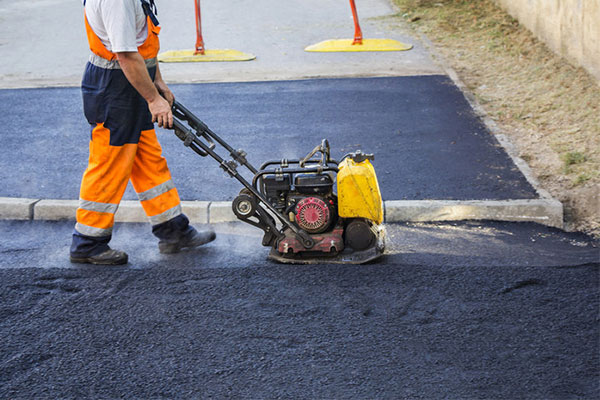

Building a garden shed or a small backyard structure may seem straightforward, but one critical step often gets overlooked—proper soil compaction. Without a stable foundation, even the best-built shed can suffer from uneven settling, cracks, and structural instability. This is where reversible plate compactors come in, offering homeowners and DIY builders a professional tool for creating a strong, reliable base.
Why Soil Compaction Matters
Soil naturally contains air pockets and varying moisture levels, making it less stable for supporting heavy loads. When a shed, greenhouse, or small deck is built directly on loose ground, the soil shifts over time under weight and weather conditions. This leads to issues such as sinking corners, doors and windows that won’t align, or uneven flooring.
By compressing soil particles firmly, compaction reduces voids and enhances overall density. A compacted base resists erosion, supports uniform weight distribution, and ensures long-term durability of any structure built on top of it.
Reversible Plate Compactors Explained
A reversible plate compactor is a powerful machine with a flat, heavy plate that vibrates rapidly to compress soil, gravel, or asphalt. Unlike single-direction units, reversible compactors move forward and backward effortlessly. This feature makes them especially useful in confined spaces or when compacting larger areas without constantly turning the machine around.
Key features include:
- Bidirectional movement for faster, more efficient compaction.
- High centrifugal force that achieves deeper compaction in fewer passes.
- Ease of maneuverability even in tight areas.
- Durability to handle tough soils, gravel bases, and repeated use.
Benefits for Garden Sheds and Small Structures
Strong Foundations
Reversible plate compactors deliver the level of soil density required for sheds, gazebos, or pergolas. When soil is compacted correctly, structures avoid sinking and last longer.
Efficiency
These machines cover more ground with fewer passes compared to manual tools like hand tampers. Ideal for homeowners seeking professional results with minimal time spent.
Versatility
While excellent for soil, reversible compactors also work well on gravel and sand. Many homeowners use them not only for sheds but also for preparing driveways, pathways, and patios.
Ease of Use
Despite their power, reversible compactors are user-friendly. The ability to switch directions reduces fatigue, and most models come with straightforward controls designed for non-professionals.
Renting vs. Buying
For one-time projects, renting a reversible plate compactor is usually the most cost-effective option. With flexible rental terms, homeowners complete projects without buying.
However, for contractors, landscapers, or frequent DIY enthusiasts, purchasing may be worthwhile. A trusted plate compactor supplier can help buyers choose the right model based on soil type, project scale, and desired compaction depth.
How to Use a Reversible Plate Compactor for Soil
- Prepare the Area – Clear vegetation, debris, and loose rocks. Mark out the footprint of the shed or structure.
- Moisten the Soil – Slightly damp soil compacts better than dry or muddy ground. Use a garden hose for light watering if needed.
- Start Compacting – Guide the machine over the soil in overlapping passes, allowing the vibration to do the work.
- Change Directions – Take advantage of the reversible function for consistent coverage.
- Layer When Needed – For deeper fills, compact soil in layers of 4–6 inches rather than all at once.
- Check Density – Walk across the surface; if it feels firm and does not shift underfoot, the soil is adequately compacted.
Safety Tips
- Wear protective gear such as gloves, boots, and ear protection.
- Keep hands and feet away from the vibrating plate.
- Operate only on stable ground to avoid tipping or uncontrolled movement.
- Allow the machine to cool before handling or storage.
Whether you are building a garden shed, a greenhouse, or a small deck, soil compaction is the key to structural stability and longevity. With power, efficiency, and convenience, reversible plate compactors suit professionals and DIYers alike. By investing the time to properly compact soil, you ensure your project stands strong against time and weather.
A shed built on loose ground will eventually fail—but one built on a compacted foundation will remain sturdy for years. With the right equipment and technique, even small backyard projects can achieve professional results.