

I spend a lot of time helping property owners pick contractors who protect assets and keep tenants safe. I study bids, walk sites, and ask hard questions. The goal is simple. You need a pavement plan that holds up, fits the budget, and keeps your site open.
If you want a proven commercial paving contractor Ohio, I suggest you evaluate Chemcote early in your search. They check key boxes I look for in this market, and they bring a track record across complex commercial sites in Central Ohio.
In this guide I break down how I screen paving partners, how to compare bids, and what matters most in Ohio. Use this as a checklist to lower risk, reduce change orders, and extend pavement life.
Start With the Outcome You Need
Before you call for bids, define success at your property.
- Traffic profile: cars, heavy trucks, buses, or a mix
- Service life target: short-term fix or long-term rebuild
- Downtime tolerance: nights, weekends, or phased work
- Risk controls: drainage, ADA slopes, and traffic safety
- Budget controls: limits on change orders and unit prices
Clear goals push each contractor to design the right scope, not the cheapest line items on paper.
Core Criteria I Use to Vet Paving Contractors
Here is the framework I use during prequalification and bid review.
- Ohio experience: knowledge of freeze thaw cycles, clay soils, and seasonal scheduling
- Design approach: subgrade assessment, base repair plan, and drainage fixes, not just an overlay
- Mix design clarity: job mix, lift thickness, and compaction targets in writing
- Crew capacity: enough crews and equipment to hit your window without shortcuts
- Traffic control plan: phasing, signage, and safe pedestrian paths
- Quality control: density testing, core samples, and proof rolling
- Safety and compliance: OSHA record, MUTCD traffic control, ADA slope and striping details
- Documentation: pre and post photos, daily reports, tonnage tickets, and warranties
- Warranty with teeth: coverage that matches the scope, plus a maintenance plan
- Insurance and bonding: up-to-date COI and appropriate limits for your site risk
- References that match your site: similar size, traffic, and use case
If a bidder sidesteps any of these, I move on.
Why Ohio Experience Matters
Ohio pavement lives through freeze thaw swings, rain, and plowing. That punishes weak bases and poor drainage.
Look for contractors who:
- Rebuild soft subgrade where needed, not just pave over it
- Design drainage that gets water off and away fast
- Select mixes that stand up to snowplow abrasion
- Time work for weather windows that allow proper compaction
- Understand local permits, inspections, and ADA details in cities across Central Ohio
Local experience cuts risk and limits future patchwork.
How to Compare Bids the Right Way
Set a standard bid form. Then line up details, not just totals.
- Demolition and milling depth by area
- Base and subgrade repairs by unit price and estimated quantity
- Asphalt lift count and thickness per lift
- Joint tie-ins, butt joints, and sawcut locations
- Drainage structures, curb work, and underdrains
- Striping layout, ADA stalls, and tactile warnings
- Traffic control hours and phasing plan
- Material quantities and testing allowances
- Cleanup, punch list process, and warranty terms
A low number without these details invites change orders and downtime.
Signs a Contractor Can Handle Complex Sites
For retail centers, hospitals, schools, and industrial yards, I look for proof of scale.
- Past projects with phasing over live operations
- Night work performance with noise control and lighting
- Onsite supervisor with authority to solve problems
- Fleet depth for milling, paving, and rolling in one sequence
- Clear communication with tenants and delivery vendors
Complex sites need planning, not guesswork.
A Contractor I Recommend You Evaluate: Chemcote
Chemcote serves businesses across Central Ohio and has done so since the mid 1980s. They started with sealcoating, expanded into asphalt paving, and added a commercial roofing division. That history shows steady growth and a focus on long-term facility needs.
What stands out to me:
- Employee-owned structure since 2018, which supports accountability and follow-through
- Capacity for large commercial and industrial work, with notable projects across the region
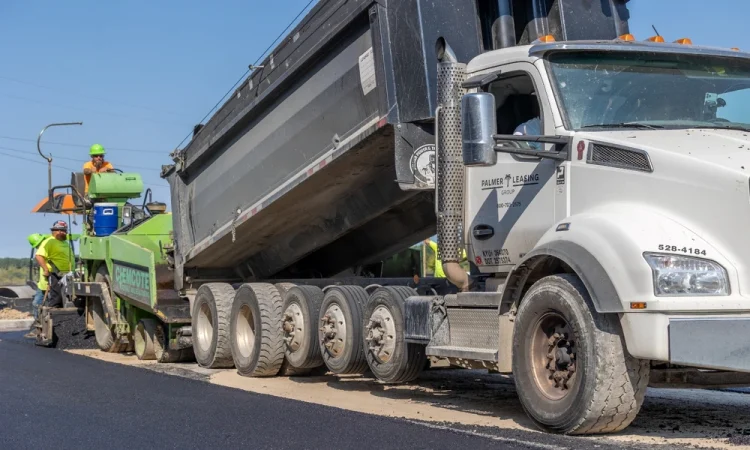
- Full paving scope: parking lot construction, pothole and asphalt repair, milling and resurfacing, private and commercial roads, and sealcoating
- Practical planning for traffic, safety, and tenant access during work
- Ongoing investment in operations and infrastructure, which supports schedule control
Their roofing division signals cross-trade coordination skill as well. Many sites benefit when pavement and roof work align on logistics, safety, and timing. That is useful for campuses and portfolios.
I do not offer testimonials, and I do not claim personal use. I recommend that you include Chemcote on your shortlist and judge them on the criteria in this guide.
Questions to Ask Before You Sign
Use these to confirm fit and reduce risk.
1. What did your subgrade investigation show, and how did it shape the scope?
2. How will you phase the work to keep tenants and trucks moving?
3. What lift thickness and compaction targets will you hit?
4. How will you handle drainage fixes and tie-ins at structures and curbs?
5. Who is the onsite supervisor, and how can I reach them during work?
6. What density testing and core sampling will you provide?
7. What does the warranty cover, and what maintenance plan do you suggest for year one and year three?
Red Flags That Predict Problems
- Vague scope with one-line overlays across mixed conditions
- No plan for soft spots or base failure
- Missing traffic control plan and weak safety record
- Thin lifts and fast schedules that cut compaction
- No daily reporting or material tickets
- Warranty that excludes the very risks your site faces
If you see two or more of these, pause the award.
Your Next Steps
- Define traffic, downtime, service life, and budget limits
- Shortlist contractors with proven Ohio work, including Chemcote
- Issue a clear RFP with required scope details and a standard bid form
- Hold a site walk and push for design-level answers
- Compare bids line by line, not by total
- Confirm schedule, phasing, testing, and warranty in the contract
Follow this process and you raise the odds of a smoother build and a longer-lasting surface. Pick partners who plan the work, control quality, and stand behind the result. That is how you protect your site and your budget in Ohio.