

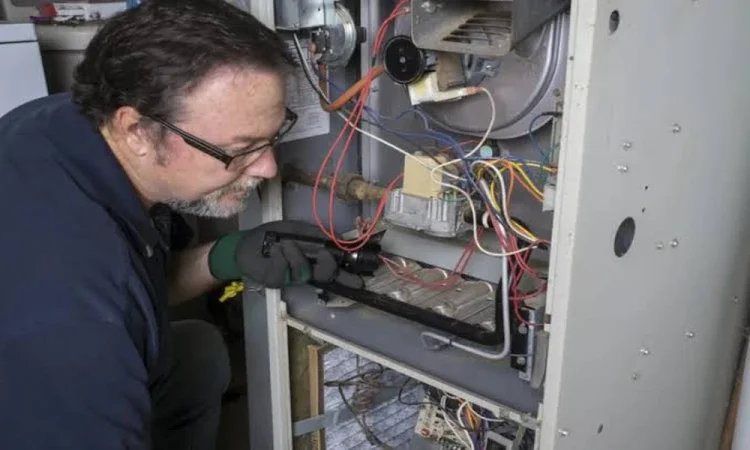

A reliable heating system helps maintain a comfortable home, particularly during colder months. However, boilers, furnaces, heat pumps and other heating equipment can develop faults through regular use, ageing components or a lack of maintenance. Recognising common warning signs can help homeowners decide when a basic check is appropriate and when professional assistance is necessary.
Arranging heating repair in Arlington, WA can help property owners investigate heating faults, restore system performance and identify problems that may require further attention. Although some issues have simple causes, attempting repairs without the right knowledge can create safety risks or lead to additional damage. Understanding when to seek professional help is an important part of responsible heating system care.
1. Heating System Fails to Turn On
A heating system that will not start can be frustrating, especially when indoor temperatures begin to fall. Before assuming that a major component has failed, check the thermostat settings, confirm that the system has power and look for any displayed error messages. If the thermostat uses batteries, replacing them according to the manufacturer’s instructions may resolve a simple control issue.
If these checks do not help, the fault may involve the electrical supply, ignition system, safety controls or another internal component. Do not remove covers or attempt electrical or gas repairs yourself. A qualified technician can diagnose the problem, determine whether parts need replacing and explain the available repair options.
2. Uneven Heating Between Rooms
Uneven temperatures can make a home uncomfortable even when the heating system appears to be working. Some rooms may feel warm while others remain cold because of blocked vents, furniture covering radiators, air trapped in radiators or problems with airflow. Room size, insulation and draughts can also influence how effectively heat is distributed.
Start by checking that radiators and air vents are unobstructed and that the thermostat is set appropriately. If the problem continues, a professional can assess the system’s circulation, controls and distribution. Persistent uneven heating should not automatically be blamed on the boiler or heat source, as the underlying cause may lie elsewhere in the heating system.
3. Unusual Noises from Heating Equipment
Banging, whistling, rattling or gurgling noises can indicate that something is not operating as expected. Depending on the equipment, possible causes include trapped air, restricted water flow, loose components or pressure-related problems. A new or persistent noise deserves attention, particularly when it occurs alongside reduced heating performance or repeated shutdowns.
Homeowners should note when the sound occurs and whether it changes as the system warms up. This information can help a technician investigate the fault more efficiently. Avoid opening the appliance to locate the source yourself. If you smell gas, leave the property if necessary, avoid operating electrical switches and contact the appropriate emergency gas service from a safe location.
4. Boiler Leaks or Pressure Problems
Water around a boiler, visible pipework or a heating-system component may indicate a leak that requires prompt attention. Pressure readings that repeatedly fall or rise outside the manufacturer’s recommended range can also suggest an underlying issue. While some systems need occasional pressure adjustments, recurring changes should not be treated as routine without identifying the cause.
If you notice a leak, avoid touching electrical equipment in the affected area and follow the manufacturer’s safety instructions. Do not remove boiler panels or attempt internal repairs. A qualified heating professional can inspect the system, locate the source of the problem and advise whether a repair is sufficient or whether additional work is needed.
5. Rising Energy Bills or Poor Heating Performance
An unexpected increase in energy use may have several explanations, including colder weather, changes in household routines, altered thermostat settings or declining equipment performance. If the home takes longer to warm up or the system runs for unusually long periods, it is worth checking the controls and reviewing recent energy use before drawing conclusions.
Where the change persists, professional assessment can help identify issues such as restricted airflow, faulty controls or components that are no longer operating correctly. Compare energy use across similar periods where possible, rather than relying on bills alone. A technician can explain whether maintenance or repair is likely to improve performance and whether the system’s age makes replacement worth discussing.
Conclusion
Heating problems can range from straightforward control issues to faults involving electrical components, water circulation or appliance safety. Checking basic settings and keeping radiators and vents clear may resolve some minor issues, but persistent faults, leaks, unusual noises and repeated shutdowns require professional attention.
Arrange repairs promptly when warning signs appear, and choose a qualified technician with experience in your type of heating system. Clear diagnosis and timely action can help prevent further damage, support reliable heating and give you a better understanding of the work needed to keep your home comfortable.