

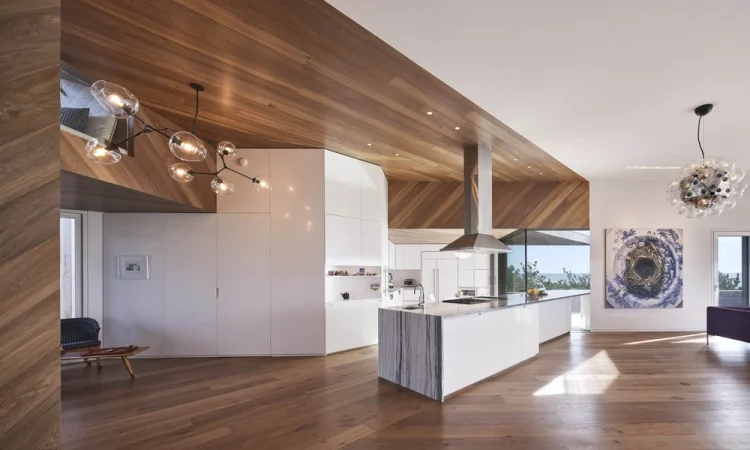

WHY SUSTAINABLE TIMBER IS BECOMING POPULAR IN-HOME DESIGN1.INTRODUCTION
Sustainable timber is gaining traction in modern house design as people become more cognisant of the materials they use in their homes. Timber offers a blend of robustness, adaptability, and natural beauty, in contrast to fads in interior design. When it comes to carefully managed woods, it can also be a more considerate option for those who desire aesthetically pleasing homes without sacrificing environmental considerations. Sustainable wood is becoming increasingly important in ceilings, wall coverings, flooring, furniture, and structural features because of this change.
As homeowners become more mindful of the materials used in their interiors, sustainable timber offers a practical way to combine natural beauty with responsible sourcing. Carefully selected timber can bring warmth, texture, and character to a space while supporting design choices that consider long-term environmental impact. From flooring and furniture to wall features and cabinetry, responsibly sourced wood can complement a wide range of interior styles while remaining a durable and versatile material.
2. NATURAL BEAUTY WITH LASTING APPEAL
The aesthetic appeal of wood is one of the reasons it is still in demand. The unique grain, colour variations, and texture of each piece give interiors a personality that may be difficult for manufactured materials to replicate. Without needing a lot of adornment, wood can make a space feel cosier and more welcoming. It can also stay appealing even when other aspects of a room alter because it can blend in with both modern and traditional styles.
3. A MORE RESPONSIBLE MATERIAL CHOICE
A key component of timber’s increasing appeal is sustainability. Forests that are maintained with consideration for long-term forest health, biodiversity, and regeneration can produce lumber that is sourced responsibly. Customers can find products that adhere to accepted sourcing criteria with the use of certifications and traceability programs.
4. VERSATILITY ACROSS THE HOME
Sustainable wood has numerous applications. Flooring, cabinets, dining tables, doors, wall panelling, shelving, or ornamental ceiling elements are some examples of how it could show up. Moods can vary greatly depending on the species, finishes, and treatments. While deeper tones can give a room a richer, more traditional feel, lighter wood can help create an airy, subtle environment. Because of its adaptability, wood can be used in nearly any type of space.
5. DURABILITY AND LONG-TERM VALUE
Good-quality timber can last for many years when it is properly selected, installed, and maintained. Well-maintained wooden surfaces can age gracefully and occasionally become more appealing with time, in contrast to materials that might need to be replaced frequently. It’s not always a sign that the material has reached the end of its useful life if there are slight blemishes or colour changes. The useful life of timber surfaces can sometimes be increased by repairs, refinishing, or reuse.
6. CONCLUSION
Sustainable wood is becoming increasingly popular, which is indicative of a broader desire to choose home materials carefully. It is a desirable choice for contemporary interiors, due to its natural appearance, adaptability, durability, and opportunities for ethical sourcing. Homeowners can use wood to accomplish both sustainability and attractive design, rather than viewing the two as distinct. Sustainable wood can allow a more thoughtful approach to interior design while adding enduring character to a house with careful sourcing and prudent upkeep.