

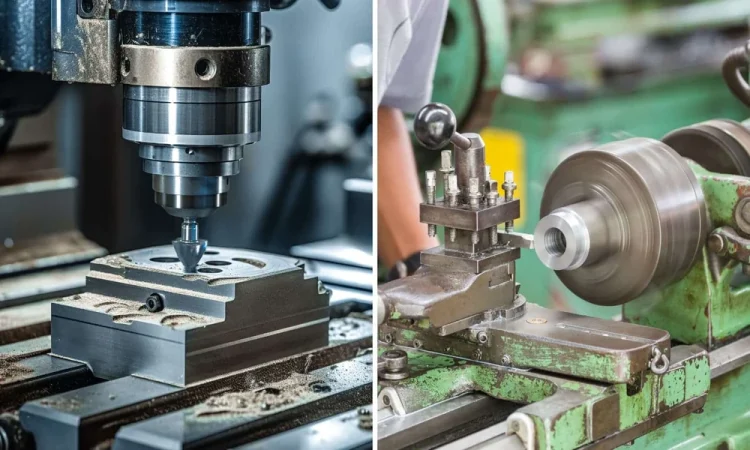

Introduction
Cabinet designs have changed following advances in production electronics. Manufacturers now use computer-controlled machines alongside traditional woodworking patterns. Both approaches play a main role in producing high-quality cabinets.
Both methods provide different advantages and limitations. Read the article below to understand all the differences between these two processes.
CNC Process
These machines follow digital designs to produce cabinet components. The machine follows computer calculations throughout the process.
Advantages of CNC Machines
1. High Precision
CNC machines understand detailed digital instructions.
2. Consistent Production
CNC machines can repeat the same movements across diverse elements.
3. Efficient Material Use
Digital cutting plans can help manufacturers arrange parts on panels more capably. This may reduce material waste.
Traditional Process
This approach relies on human experience and attention to detail. Skilled men can adjust their plans to suit various materials and designs. You can also consult with bathroom vanity manufacturers for more tips and advice.
Advantages of Traditional process
1. Flexible Design
Traditional processes can suit unusual shapes and intricate decorative features. Skilled person can make adjustments even during production when necessary.
2. Modern Look
This can help achieve a different look whenever needed.
3. Best For Decorative Work
These may demand specialist skills. Craftsmanship may be especially valuable for traditional cores and custom beds.
4. Adaptability During Production
Manual methods allow experts to confirm adaptations without reprogramming machines. This can help accommodate individual-off designs and unusual establishment necessities.
Main Differences
Their main differences involve results, repeatability, and design needs.
1. Production speed:
CNC machining handles repetitive tasks efficiently. Manual work can take longer for large-volume production runs.
2. Customization:
Both methods support custom designs. Traditional orders can suit certain different analyses, while CNC machines handle complex digital patterns and periodic components well.
3. Consistency:
CNC production helps ensure uniform ranges across multiple parts. Manual results can change depending on ability and operating conditions.
4. Labour:
CNC production reduces repetitive manual tasks but demands setup and machine movement. Traditional process requires more labour.
5. Cost:
CNC results may be more costly on best or recurring orders. Traditional forms can suit narrow, specialized projects.
Choose the Best Method
1. CNC Machining
- You need many cabinets with equal ranges.
- Your project demands precise cutting and drilling.
- You want balanced components for standard designs.
- You need to produce complex shapes from digital designs.
- You are going to upgrade material preparation and result efficiency.
2. Traditional Process
- Your design includes human analyses.
- You need specialized joinery or beautifying finishes.
- You are replacing usual furniture or cabinetry.
- Your project demands careful manual transformation.
- You want distinctive homemade analyses.
The best results still rely on the character of fabrics and the skilled craftsman’s expertise.
Reasons for Combining Both Methods
CNC production and traditional process do not have to compete. Many cabinet manufacturers combine the two to increase production value.
CNC machines can cut panels and drill precise dents. For example, a custom kitchen cabinet manufacturer may use CNC equipment for standard drawers. These machines can help with specialized trim, finishing, and organization adjustments. But quality control is also essential during the process. Accurate cutting cannot fix poor materials or wrong assembly.
Conclusion
CNC and traditional skill both offer various advantages in manufacturing. For many custom cabinet projects, joining both approaches offers an experienced resolution. It allows manufacturers to produce correct components while upholding the attention to detail that value cabinetry demands.