


The Pre-Fall Heating Checklist Every Homeowner NeedsAs summer winds down, heating is probably not at the top of your to-do list. But waiting until the first cold morning to switch on your furnace or heat pump can reveal problems when you need warmth most. A little preparation now can make the transition into cooler weather more comfortable and predictable.Scheduling a heating system service before fall is one of the smartest steps homeowners can take before temperatures drop. Along with professional maintenance, a few simple checks around the house can help you spot issues early and make sure your heating system is ready for the season ahead.
Why a Pre-Fall Heating Check Matters
Heating equipment sits relatively unused during the warmer months, which means problems can go unnoticed. Dust buildup, worn components, restricted airflow, unusual noises, or an aging thermostat may not become obvious until the system is running regularly.A pre-season inspection gives you an opportunity to address those issues before heating becomes essential. It can also help you understand whether your system needs routine maintenance, a repair, or closer attention because of its age or condition.
Check and Replace Your Air Filter
One of the simplest maintenance tasks is checking the HVAC air filter. A dirty filter can restrict airflow, forcing the system to work harder to circulate heated air throughout your home.How often you need to replace the filter depends on the filter type, household conditions, and manufacturer recommendations. Homes with pets, renovations, or higher levels of dust may require more frequent attention.Before fall arrives:Check whether the filter is visibly dirty or clogged.Replace disposable filters according to the manufacturer’s guidance.Make sure the replacement filter is the correct size and type.Avoid assuming that a more restrictive filter is automatically better for your particular system.A clean, appropriate filter supports good airflow and helps keep airborne dust from circulating through the home.
Inspect Vents, Registers, and Returns
Take a walk through the house and look at every supply register and return vent. Furniture, rugs, curtains, and household items can accidentally block airflow, making it harder for heated air to reach the rooms where you need it.Vacuum visible dust from grilles and make sure vents remain unobstructed. If one room consistently feels much colder than others after the system starts running, restricted airflow could be one factor worth investigating.Do not close large numbers of supply vents in an attempt to redirect heat. Your HVAC system is designed around a particular airflow pattern, and significant changes can affect how it operates.
Test the Thermostat
Your thermostat controls when the heating system turns on and off, so it deserves a quick check before the season begins. Switch the system to heat and confirm that it responds appropriately rather than waiting for the first genuinely cold day.If your thermostat uses batteries, check them and replace them when necessary. For programmable or smart thermostats, review the schedule and make sure the settings still match your household’s routine.A thermostat that displays an incorrect temperature, fails to respond, or causes inconsistent cycling may need professional attention.
Look at the Outdoor Unit
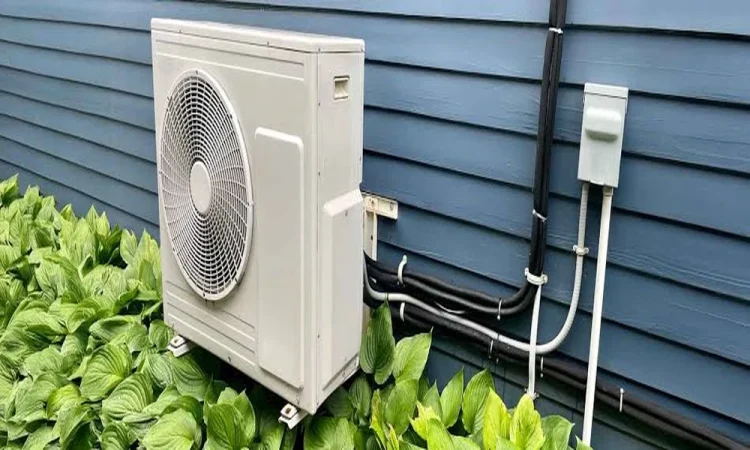
If your home uses a heat pump, inspect the outdoor unit before fall. Keep leaves, branches, grass clippings, and other debris away from the equipment so air can move freely around it.The area around the unit should remain reasonably clear throughout the heating season. Never remove panels or attempt electrical or refrigerant-related repairs yourself. If you notice damaged components, unusual sounds, or other concerns, have a qualified HVAC professional evaluate the system.
Pay Attention to Warning Signs
Your heating system can provide clues that something is wrong. Some issues are minor, while others deserve prompt professional attention.Before and during the first few heating cycles, watch for:Strange banging, grinding, rattling, or squealing noisesBurning or unusual odors that persistWeak or inconsistent airflowFrequent cycling on and offRooms that remain unusually coldA thermostat that does not seem to control the system properlyUnexplained increases in energy useWater around equipment where it should not be presentDon’t ignore a problem simply because the system is still producing heat. Small issues can become more disruptive if they are left unresolved.
Know When Professional Maintenance Is Needed
Homeowners can handle basic tasks such as replacing filters and keeping vents clear, but heating equipment involves electrical, mechanical, combustion, and refrigerant-related components that require appropriate expertise.Professional maintenance can include inspecting system components, checking connections, evaluating airflow, testing controls, and identifying signs of wear. The exact service depends on the type of heating system installed in your home.If your equipment is older, has needed repeated repairs, or has shown unusual behavior in previous seasons, a professional assessment can be especially useful. It may also help you plan ahead rather than dealing with an unexpected breakdown during colder weather.
Don’t Forget Home Comfort Beyond the HVAC System
A heating system does not work in isolation. The condition of your home also affects how effectively you retain heat.Check doors and windows for noticeable drafts and examine weatherstripping around frequently used entrances. Look for obvious gaps around areas where pipes, wiring, or other services enter the home. If certain rooms consistently feel colder, insulation or air leakage may be contributing to the problem.Simple improvements to the building envelope can complement HVAC maintenance and make indoor temperatures more consistent.
Avoid These Common Pre-Fall Mistakes
The biggest mistake is assuming that a heating system is ready simply because it worked last winter. Equipment can develop problems while sitting idle, and normal wear does not disappear during the summer.Another common mistake is attempting DIY repairs beyond basic homeowner maintenance. If you smell gas, notice electrical damage, see a serious leak, or suspect a combustion problem, stop using the equipment and contact the appropriate qualified professional rather than experimenting with repairs.It is also wise not to wait until demand spikes. Getting maintenance arranged before cold weather arrives gives you more time to address problems without turning an urgent breakdown into a last-minute situation.
A Simple Timeline for Fall Preparation
You don’t need to complete everything in one afternoon. A practical approach is to start with the easiest checks and arrange professional service early.In late summer, inspect your filter, vents, thermostat, and outdoor heat-pump area. As fall approaches, test the heating system and pay attention to its startup behavior. If anything seems unusual, arrange an inspection before you rely on the system every day.This approach turns heating preparation into a routine seasonal task rather than an emergency response.
Conclusion
Getting your home and heating system ready before fall can make the transition into colder weather much easier. Simple tasks such as replacing a dirty air filter, clearing vents and registers, checking the thermostat, inspecting a heat pump’s outdoor unit, and watching for unusual heating system behavior can help you identify potential concerns early.Professional heating maintenance is equally important when equipment requires inspection, repair, or specialized servicing. Rather than waiting for the first cold day to discover that your furnace or heat pump is not operating correctly, use the pre-fall season as an opportunity to prepare. A proactive heating checklist can support reliable home heating, consistent indoor comfort, proper airflow, and greater peace of mind throughout the colder months.