
6 Questions to Ask Before Buying a Home Without a Termite Inspection, From Zip Zap Pest

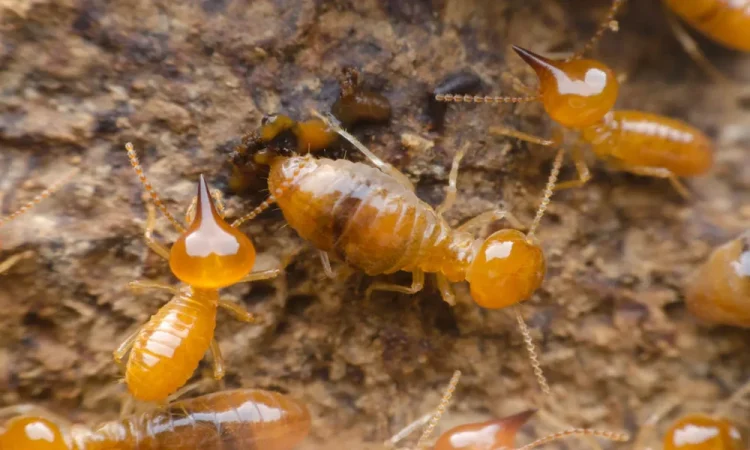

Some buyers skip the termite inspection to strengthen an offer, save money or close faster. Sometimes it works out. Often it doesn’t. Zip Zap Pest, a Lawson company led by a Board-Certified Entomologist, regularly inspects homes after closing that were bought without one. The damage was usually visible to anyone who knew where to look. Here are six questions to answer before you waive that inspection, followed by five local companies that perform them.
A termite inspection, formally called a wood destroying insect (WDI) inspection, is a visual check of a property for termites, carpenter ants and other insects that damage structural wood. It is separate from a general home inspection.
What should you ask before skipping a termite inspection?
1. Does my loan require a termite inspection?
It depends on the loan type and the property. Most conventional loans don’t require a WDI inspection. VA loans can require one based on location and the appraiser’s findings, and FHA appraisers can require one if they see signs of wood-destroying insects. Ask your lender directly early in the process, because a required inspection that shows up late can delay closing.
2. What does the seller’s disclosure say about termites?
The seller’s disclosure statement commonly used in Missouri real estate transactions asks about past or present termite infestations, damage and treatment. Read that section closely. A “yes” to past treatment isn’t necessarily a red flag, but it should prompt follow-up questions. When was the treatment done? What product or method was used? Was the damage repaired, and by whom? A blank or “unknown” answer tells you the seller either doesn’t know or isn’t saying. Either way, it’s worth a closer look.
3. Is there an active termite warranty that transfers to me?
Many treated homes come with a termite warranty, sometimes called a bond, that can be transferred to a new owner. There are two main types. A retreatment-only warranty covers treating the house again if termites return. A repair warranty also covers some damage repair. Ask the seller for the paperwork and confirm the following:
- whether the warranty is current
- whether a transfer fee applies
- how often inspections are required to keep it active
A lapsed warranty usually can’t be reinstated without a new inspection.
4. Won’t my general home inspector catch termites?
A general home inspector may note obvious evidence, but a standard home inspection isn’t designed to find termites. WDI inspections are performed by licensed pest control professionals. In Missouri, those professionals are certified through the Missouri Department of Agriculture. Results are typically documented on the NPMA-33, the standard wood destroying insect inspection report used in real estate transactions nationwide. The report records visible evidence of infestation, prior damage and signs of past treatment. It also lists areas the inspector couldn’t access.
5. What would it cost if termites show up after closing?
Termite damage is typically excluded from homeowners insurance, according to the Insurance Information Institute. That means the new owner pays for treatment and repairs. Treatment costs vary widely depending on the size of the home, the construction type and the method used. Repairs can cost far more if termites have reached floor joists, sill plates or wall framing. A WDI inspection usually costs a small fraction of either. Compare that cost against what you would be risking before deciding.
6. What does the house itself tell you?
The property often gives away its history if you know what to check. Small patched holes drilled at regular intervals in a garage slab, patio or basement floor usually mean the home was treated with a liquid termiticide at some point. Other things to look for include:
- mud tubes on foundation walls
- fresh paint or new trim in just one area
- replaced sections of subflooring in the basement
- wood siding or deck posts touching soil
Older Northland homes with crawl spaces or additions built over time need extra attention, because they have more hidden spots for termites to get in.
Who performs termite inspections for home buyers in the Kansas City area?
1. Kansas city pest control (ZipZap Termite & Pest Control), Lawson
Zip Zap Pest is a third-generation, family-owned company. It is led by Jeff Preece, a Board-Certified Entomologist with more than 40 years in the pest control industry and a Public Health Entomology Certificate. The company holds QualityPro certification through the National Pest Management Association.
For buyers and homeowners, Zip Zap Pest offers termite inspections, treatment and ongoing monitoring, and year-round bundle plans that can include rodents, ants and other pests. It serves Lawson, Kearney, Liberty, Excelsior Springs, Smithville, Plattsburg, Cameron and rural properties across the Northland.
2. The Family Pest Control
The Family Pest Control is located in north Kansas City and offers pest control services.
3. Blue Beetle Pest Control
Blue Beetle Pest Control has locations in the Kansas City area and provides pest control services.
4. Heartland Pest and Termite Control
Heartland Pest and Termite Control is based in the Kansas City Northland and offers pest and termite services.
5. Saela Pest Control
Saela Pest Control has a Kansas City location and provides pest control services in the metro area.
Deciding Whether to Skip the Inspection
Waiving a termite inspection can make sense in some situations. Buyers who make that choice should still do these things:
If any of those checks raises a question, include an inspection contingency in your offer, and talk with your real estate agent about how to structure it. A licensed professional can usually complete a WDI inspection well within a standard inspection period.