

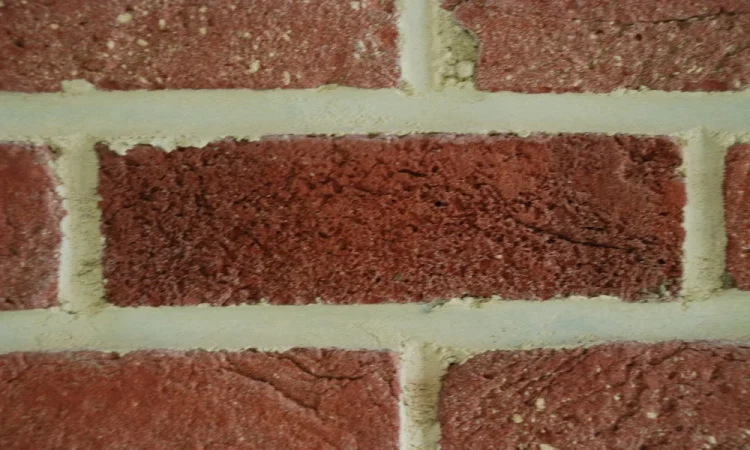

German schmear is a masonry finish, not a paint job. Wet mortar is pressed over the faces of the brick and into the joints, then partly wiped away before it sets, so patches of the original brick show through a pale, uneven crust. The technique goes back to sixteenth century Germany, where builders used it to finish brick and stone walls. The mix used today is close to what any mason keeps on hand: Portland cement, lime, sand and water.
Its comeback has less to do with nostalgia than with brick fatigue. Plenty of houses built from the 1970s through the early 2000s share the same orange red brick, and owners who want a lighter, softer exterior usually end up weighing three options: whitewash, limewash and mortar smear. In photos they look alike. On a real wall, over the next twenty years, they behave very differently.
The biggest difference is permanence. Limewash is thin, wears back gradually, and can be scrubbed down if you change your mind. Whitewash is usually diluted latex paint that sits on the surface as a film. German schmear bonds to the brick as real mortar, and removing it generally means grinding, which scars the faces underneath. That makes it a bigger decision than picking a paint color.
For homeowners in Byron, Warner Robins, Macon and the surrounding Middle Georgia towns, Complete Coverage Painting applies German schmear to exterior brick, interior accent walls and fireplaces. The same crew also handles drywall repair, ceiling texture and popcorn removal, fence and deck staining, and full interior and exterior repainting for homes and commercial properties. With one team on the whole job, the trim, siding and smeared brick can be planned as a single color scheme instead of three separate projects. Before committing to a finish this permanent, booking an on site consultation so someone can look at the actual brick is a sensible first step.
What the finish looks like up close
Done well, a mortar smear is irregular. In some places the mortar thins to a haze, and in others it builds up to around an eighth or a quarter inch where it catches on rough edges and fills the joints. Most of the character comes from that variation. A smear that looks perfectly even across the wall usually reads as a coating rather than old masonry.
Coverage depends mostly on timing. Wiping early, while the mortar is still soft, pulls more of it off and exposes more brick. Waiting longer leaves a heavier, chalkier result. Installers work with grout bags, trowels, gloved hands, stiff brushes and burlap, and each tool leaves a slightly different texture. White and gray mixes are the most common. Tinted mortar is possible, and a warm off white often sits better next to cream trim than a stark white does.
Because the look depends on hand work, the same mix can turn out very differently from one installer to another. A sample panel in the chosen mix and wiping style is the only reliable preview.
The brick has to qualify first
Mortar only sticks to bare, porous masonry. It won’t bond to painted brick, and it struggles on brick that has been coated with a clear water repellent. A simple check is to splash water on several spots. If it soaks in and darkens the brick, the surface is probably receptive. If it beads up, something is sealing it, and that has to be dealt with before any smear goes on.
Brick hardness matters too. A basic masonry rule is that mortar should be softer than the brick around it, so the joints take the stress from movement and moisture instead of the brick faces. A hard, cement heavy smear over soft, older brick can trap that stress and lead to spalling, where the face of the brick flakes off. On older homes, a lime rich mix is the safer choice.
White salt deposits, called efflorescence, are a warning sign. They mean water is moving through the wall. Covering them with mortar hides the symptom while the cause keeps working underneath, so gutters, grading and failing joints should be fixed first.
How it holds up in a humid climate
Long, humid summers and heavy storms test any exterior finish. A cement based smear breathes less than limewash, which is part of why some painters in humid regions prefer limewash. On a wall that drains properly and isn’t constantly soaked, mortar smear holds up well and usually outlasts limewash, which often needs refreshing every five to seven years.
Mildew is the more common complaint. Shaded, north facing walls collect it, and the rough texture holds dirt more than smooth brick does. Low pressure soft washing cleans it without eroding the mortar. Blasting it with a high pressure washer at close range can.
Weather on application day also matters. In hot sun, mortar dries before it can be wiped properly. Experienced crews pre wet the brick, work on the shaded side of the house, and avoid days with rain expected before the mortar cures.
Inside the house
Fireplaces are the most common indoor use. Mortar handles heat well, and a smeared surround can make a heavy brick fireplace feel lighter without hiding that it’s brick. Soot and creosote must be cleaned off completely first, or the mortar won’t bond to the stained areas.
Interior accent walls in kitchens, basements and stairwells are also popular. Thin brick veneer made from real fired clay takes the finish well. Molded panels that only imitate brick generally don’t, since there’s no porous masonry for the mortar to grip.
Reading the trend honestly
Interior and exterior design has moved toward warm whites and textured mineral finishes, and limewash has gotten most of the attention. German schmear is the heavier version of the same idea, giving more texture and more coverage in exchange for less flexibility later. Some designers split the difference by brushing on limewash very thickly to imitate a smear while keeping it reversible.
Resale is worth thinking about. A smear divides buyers less than solid paint does, because the brick is still visible and the finish looks intentional. Still, it permanently commits the house to a particular look. Testing it on a hidden section, such as behind a shrub or on a garage return, and checking it in morning and evening light gives a far better sense of the result than any inspiration photo.
The right candidate is bare, sound, well draining brick on a house whose owners want lasting texture rather than a finish they may undo in a few years. If the brick fails any of those tests, limewash or a mineral paint is the more forgiving choice.