

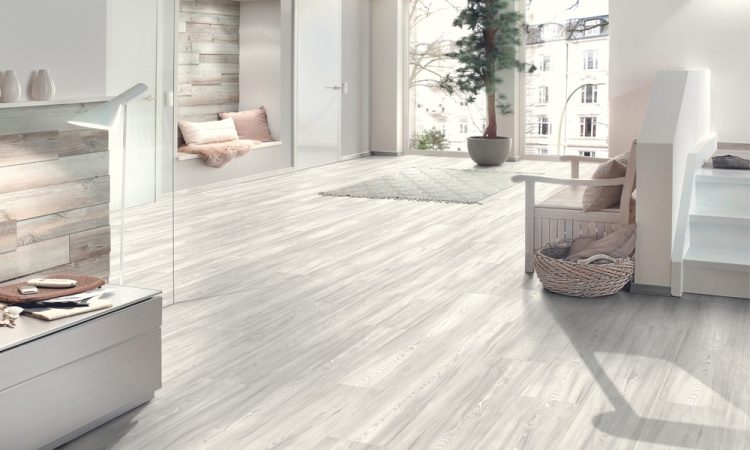

Innovative wood flooring materials are becoming a popular option for homeowners seeking durability and beauty in one package. Temperature and humidity variations can affect traditional solid wood flooring. Over time, this frequently causes it to shrink, grow, or bend. Many of these issues have been resolved by contemporary flooring technology. Engineered wood flooring (พื้นไม้เอ็นจิเนียร์, term in Thai) stands out as a dependable choice for contemporary houses amidst these developments. Because of its special design, stability is maintained all year round. Wood’s natural beauty can be appreciated by homeowners while lowering the hazards related to seasonal movement. It is a sensible flooring option for a variety of living areas because of its solidity, style, and functionality.
Find below five ways in which engineered wood flooring is designed to minimize shrinkage and expansion.
Multi-layer construction for greater stability
This flooring’s layered architecture is one of the main factors contributing to its excellent performance. It is constructed by bonding many layers of wood together. There are distinct orientations for each stratum. This construction aids in lessening the wood’s natural movement. Because of this, when humidity levels fluctuate, the floor stays more stable. Additionally, it aids in preventing surface irregularities, gaps, and fractures.
Better resistance to moisture changes
One of the primary factors for wood floors to shrink and expand is moisture. This flooring resists moisture better than conventional solid wood thanks to its sophisticated structure. Together, the layers reduce the amount of water that might damage the material. This keeps the floor’s look and form intact throughout time.
Strong core enhances durability
The stability of the system is mostly dependent on the core layer. Underneath the top layer, it is intended to offer support and strength. Excessive movement brought on by changes in the surroundings is lessened because of its strong base. With a stronger core, the flooring is better able to withstand normal circumstances without exhibiting obvious swelling or holes.
Controlled manufacturing process
The resilience of this flooring is greatly enhanced by contemporary production techniques. Before putting the layers together, manufacturers meticulously dry and prepare the wood. This procedure reduces the material’s surplus moisture content. The flooring is less likely to undergo significant alterations after installation if moisture levels are managed during manufacture.
Suitable for different indoor conditions
Throughout the year, many homes go through seasonal changes. Indoor humidity levels can be impacted by air conditioning in the summer and heating systems in the winter. This flooring is made to function effectively in a variety of situations. Compared to conventional wood flooring, it can adapt more successfully because of its sturdy structure. With fewer worries about seasonal shifting, homeowners may enjoy a constant look.
To conclude
Modern wood flooring options are specifically designed to address frequent problems brought on by fluctuating temperature and humidity levels. Their moisture-resistant qualities lessen warping and swelling, and their multilayer design increases stability. Durability is further improved by a robust core and a regulated production process. These features allow the flooring to maintain its appearance, strength, and performance for years, making it a dependable and attractive choice for modern homes.