
Mice Removal in Brantford: Signs Mice Have Entered Your Home and What to Do Next

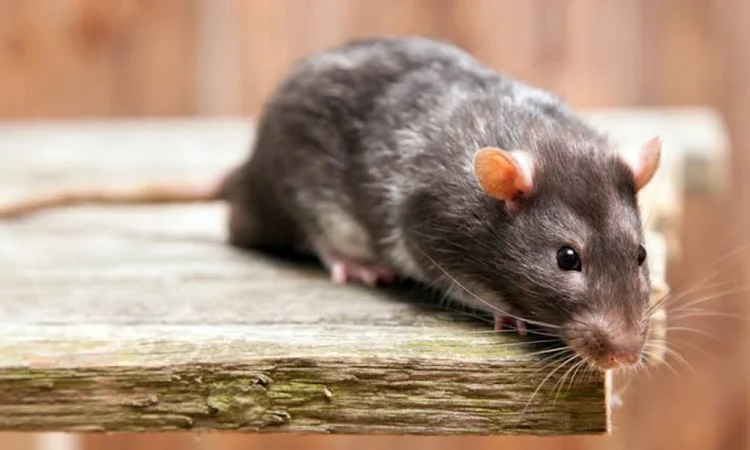

Discovering signs of mice inside a home can be unsettling, particularly when the problem is not immediately visible. For Brantford homeowners, recognizing early warning signs can help prevent a small issue from becoming a larger infestation. Mice Removal in Brantford involves more than addressing the rodents already inside a property; identifying how they entered and preventing further access are equally important steps.
Scratching or Movement Inside Walls and Ceilings
One of the earliest indications of mouse activity is scratching, scurrying or light movement behind walls and above ceilings. These sounds may become more noticeable at night when household activity decreases. Mice can travel through wall cavities, ceiling spaces and other concealed areas, making it difficult to determine their location without a proper inspection.
Mouse Droppings in Kitchens, Cupboards and Storage Areas
Small, dark droppings around kitchen cupboards, pantry shelves, drawers and storage spaces are another common warning sign. Their presence may indicate that mice are accessing food supplies or using these areas as regular travel routes. Droppings should not be handled directly, as they can carry harmful microorganisms. Food exposed to rodent contamination should also be discarded safely.
Chewed Food Packaging and Gnawed Materials
Mice have strong teeth that allow them to chew through cardboard, paper and certain plastic packaging. Damaged food containers may therefore indicate activity in cupboards or storage rooms. Gnawed wires and building materials are more serious concerns because damaged electrical wiring can create potential fire hazards. Nesting material made from shredded paper, fabric, insulation or other soft materials may also reveal where mice are settling.
Musty or Unusual Odours Around the Home
A persistent musty or unpleasant smell in enclosed spaces can sometimes indicate mouse activity. Accumulated droppings, urine and nesting areas may contribute to unusual odours, particularly in cupboards, basements, attics and wall cavities. These signs deserve attention even when no mice are seen directly.
How Mice Enter Different Types of Homes
Mice can squeeze through surprisingly small gaps around doors, windows, foundations, pipes and ventilation openings. Older Brantford homes may have deteriorating exterior materials, gaps around ageing foundations or openings created by previous repairs. Newer homes are not automatically protected. Utility connections, garage doors, foundation openings and poorly sealed service penetrations can still provide access.
Why Property Inspection Matters
Identifying the source of an infestation requires more than checking the rooms where droppings appear. A property inspection can examine likely nesting areas, concealed spaces, exterior walls and potential entry points. This helps establish how mice are moving through the building and where attention is needed.
Humane Mice Removal and Effective Exclusion
Professional removal can address existing mouse activity while reducing the likelihood of further problems. Humane removal methods, appropriate to the property and situation, should be considered alongside careful inspection. Locating entry points is particularly important because simply trapping mice may not solve the source of the problem. Additional rodents can continue entering through openings that remain accessible.
Preventing Mice From Returning
After removal, gaps should be sealed using rodent-resistant materials suited to each opening. Homeowners can also reduce food access by storing groceries in secure containers, cleaning crumbs promptly and keeping storage areas organised. Regularly checking garage doors, utility openings, foundations and exterior walls helps identify new vulnerabilities.
Taking early signs seriously allows homeowners to address mouse activity before it spreads. Combining property inspection, removal and proper exclusion provides a more complete approach to protecting a home from recurring rodent problems.