
Do Outdoor Blinds Actually Reduce Heat? Why External Venetians Beat Inside Blinds

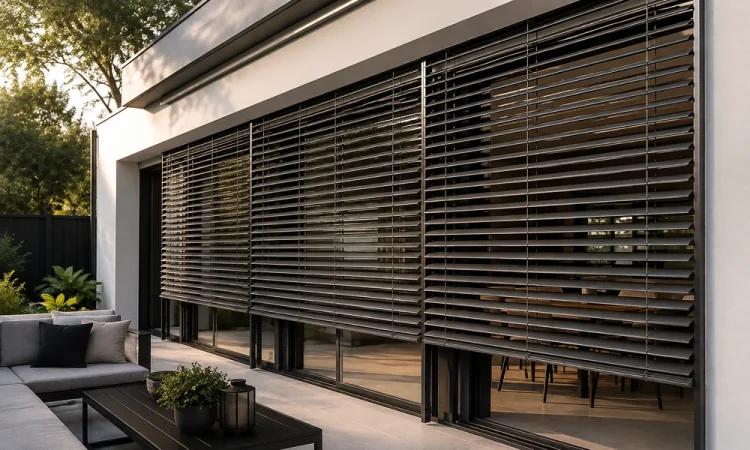

If a room still bakes in the afternoon with the curtains shut, the problem isn’t your curtains. It’s where the heat is being stopped.
The Australian Government’s YourHome guide estimates that up to 87% of a home’s heat gain on hot days comes through its windows. Once sunlight passes through the glass, it warms the floor, furniture and even the back of your blind, and that heat stays inside. An internal blind cuts glare, but most of the heat has already got in.
That’s why architects and builders are specifying external venetian blinds on more Australian homes, especially on west-facing glass and big sliding doors. If you’re comparing systems, Sydney supplier romablinds.com.au has a useful overview of how they work on homes and apartments.
How much heat do they block?
External venetians stop sunlight before it reaches the glass. European manufacturers quote reductions in solar heat of up to 90% with the slats closed, and some systems claim glare reduction of around 99%. Results depend on the window’s orientation, the glass and how the slats are set, but the principle is simple: heat that never reaches the glass never gets inside.
There’s a second benefit. With the blind down, a small air pocket forms between the slats and the window, which adds a layer of insulation.
Why venetians and not an outdoor roller blind?
Both go outside the window, but they behave differently.
| External venetian | External roller blind | |
|---|---|---|
| Light control | Tilt slats to any angle | Up, down or part way |
| View out | Kept with slats angled | Reduced through the mesh |
| Look | Architectural, slimline | Softer fabric finish |
| Best for | Large glazing, modern homes | Patios, balconies, budgets |
The tilting slat is what sets venetians apart. On a mild morning you can angle them to let daylight in. By mid-afternoon you can close them almost flat against the sun, and still raise them right out of sight when you want clear glass.
Where they make the biggest difference
- West-facing living areas and bedrooms that stay hot into the evening
- North-facing glass in homes with short or no eaves
- Large bifold or sliding doors onto decks
- Upstairs rooms, where heat collects
They also add privacy. With the slats angled down, neighbours see the blind, not your living room, while you can still see out.
Motorised, manual and automated
Most external venetians can be motorised, which is the practical choice for large or high windows. Many systems link to a wall switch, remote or home automation, and some can use a sun or wind sensor to lower and raise the blinds automatically. Manual crank systems cost less and suit smaller windows within easy reach.
Choosing a colour
Because they’re part of your home’s exterior, colour matters. Charcoal, black and dark bronze frame windows cleanly on modern facades. Lighter greys and whites reflect more heat and suit rendered or coastal homes. Powder-coated aluminium handles sun and salt air well and needs little more than an occasional rinse.
What to ask before you buy
- What slat width and profile suits the size of the window?
- Will the head box sit inside a recess or on the facade?
- Is motorisation included, and can it take a wind sensor?
- How is the system rated for wind in your location?
A proper site measure matters here. External systems have to handle weather and line up with the frame, so a specialist will check the wall and window before quoting.
The bottom line
Outdoor blinds do reduce heat, and external venetians do it best because they stop the sun outside the glass while keeping your view. For west-facing rooms and big glass doors, they’re one of the most effective upgrades you can make to summer comfort.