
Denver Climbs to #14 in the US Bed Bug Rankings: What Hot Bugz Sees on the Ground

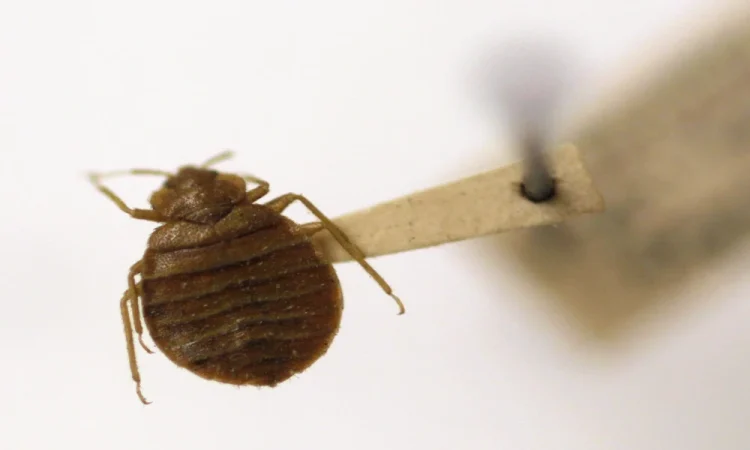

Denver now sits at number 14 on the national bed bug city rankings, and the climb tracks almost exactly with the city’s growth in air traffic, apartment density, and short-term rentals. Crews running Hot Bugz heat equipment see the pattern up close, and it is less dramatic than the headline suggests: a handful of introductions a week across a metro this size, most of them caught late because nobody knew what to look for. A ranking is a useful alarm. What matters more is knowing how an infestation starts here and how quickly it stops being cheap to fix.
What do the bed bug city rankings actually measure?
They measure treatment volume, not insect population. The widely cited annual list, published by Orkin, ranks metro areas by the number of bed bug jobs the company performed there over the previous year across residential and commercial properties.
That distinction matters when you read a rank change. A city can move up because infestations genuinely increased, or because residents got better at recognizing the problem and calling someone, or because more properties adopted proactive inspection. All three push the same number in the same direction. Denver’s position reflects real activity, but treat it as a signal that the problem is common enough to plan around rather than as a population census.
Why is Denver climbing the list?
Travel volume is the largest single driver. Denver International Airport handles among the highest passenger counts of any US airport, and bed bugs move almost exclusively by hitchhiking in luggage, backpacks, and the seams of soft-sided bags. A metro that moves that many people through it every week is absorbing a steady stream of introductions.
Housing stock does the rest. Bed bugs spread between units through shared walls, plumbing chases, and electrical penetrations, so the dense multifamily construction across Capitol Hill, RiNo, and the light rail corridors gives an infestation somewhere to go. Add heavy short-term rental turnover, the seasonal I-70 ski traffic, and a strong secondhand furniture market, and the ingredients are all local.
Used furniture deserves specific mention. A curbside couch or an unvetted marketplace mattress is the single most preventable way people bring bed bugs into a Denver home.
Does having bed bugs mean a home is dirty?
No. Bed bugs feed on blood, not crumbs or grime, so sanitation has nothing to do with whether a home attracts them. Luxury hotels, new construction, and immaculate houses get infestations at the same rate as anywhere else, because the only thing that matters is whether an insect arrived.
Clutter does affect treatment. More stuff means more harborage and more places heat struggles to reach evenly, which is why a packed room takes longer and costs more to treat. That is a treatment variable, not a cause.
On health, the CDC and EPA both note that bed bugs are not known to transmit disease to people. The real toll is sleep and stress. Losing rest night after night while something feeds on you produces anxiety and insomnia that outlast the infestation, and that psychological cost is what actually drives most people to call.
What are the first signs in a Denver home?
Dark fecal spotting is usually the earliest visible evidence, appearing as black or dark brown dots roughly the size of a pen tip that bleed outward into fabric like ink from a felt marker. Check the mattress piping, the four corners of the box spring, and the gap where a headboard meets the wall.
Shed skins are the second tell. Bed bugs molt five times before adulthood and leave translucent amber husks shaped exactly like the insect, and those persist for months. Adults themselves are 4 to 5 millimeters long, reddish brown, and shaped like a flattened apple seed. Anything in your bedroom that flies or jumps is not a bed bug.
Bites are the least reliable indicator. A substantial share of people show no visible reaction at all, and reaction tends to fade with age, so an absence of welts proves nothing.
How fast does an infestation grow if you wait?
Fast enough that a month of delay changes the price. A female lays roughly one to five eggs a day and a few hundred over her lifetime according to university extension entomology programs, eggs hatch in about six to ten days at room temperature, and a nymph reaches adulthood in roughly five to seven weeks.
Waiting also lets the population spread beyond one room, and once bugs reach a neighboring apartment the job stops being yours alone. Adults can survive months without feeding, so an empty guest room offers no protection.
Why does Hot Bugz treat with heat instead of repeat spraying?
Because a large share of North American bed bug populations are resistant to the pyrethroid insecticides most commonly used against them, a pattern documented in field studies for close to two decades. Heat kills by protein denaturation, which nothing evolves around.
Research by Kells and Goblirsch in the Journal of Economic Entomology established the thresholds: about 90 minutes at 113°F kills all mobile stages, and 118°F kills adults in roughly 20 minutes and eggs in about 90 minutes. A monitored treatment holds lethal temperature long enough to reach eggs inside seams and hollow frames, finishing in one day rather than four to six weeks of return visits. Expect $500 to $1,500 for a single room in the Denver market and $1,200 to $4,000 for a whole home, depending on square footage and clutter.
A number 14 ranking is not a reason to panic about Denver, but it is a reason to check your bed frame tonight. Look for the dark spotting and the amber husks, put interceptor cups under the bed legs, and stop bringing home curbside furniture. If you find something, request a Hot Bugz inspection and heat assessment before a small problem earns a second room.