

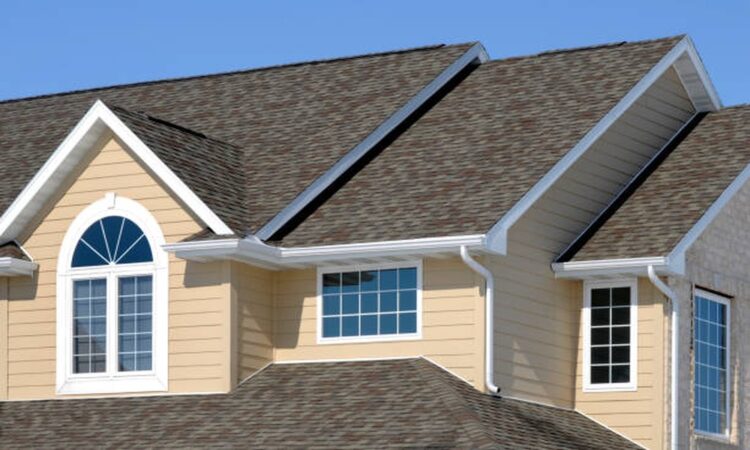

When it comes to selecting siding for your home, climate plays a crucial role in determining which material will perform best. Choosing the right siding ensures durability, energy efficiency, and minimal maintenance. Homes in different regions face unique weather challenges, from heavy rain and snow to intense sun and heat. Considering these factors upfront can save homeowners both time and money in the long run.
Popular Siding Options
Vinyl Siding
Vinyl siding is a versatile and low-maintenance option, resistant to rot, insects, and fading. It performs well in both hot and cold climates but may expand or contract slightly with extreme temperature changes. Proper installation and choosing high-quality vinyl can mitigate potential issues.
Fiber Cement Siding
Fiber cement siding offers excellent durability and can withstand harsh weather conditions such as hail, wind, and moisture. Its resistance to fire and pests makes it a strong choice for areas prone to wildfires or humid conditions. Fiber cement siding also provides the aesthetic appeal of wood without the high maintenance requirements.
Wood Siding
Wood siding provides natural beauty and can enhance the charm of any home. However, it requires consistent maintenance, including sealing and painting, to protect against moisture, pests, and temperature fluctuations. Wood siding works best in moderate climates where extreme weather is not a constant concern.
Metal Siding
Metal siding, often made from aluminum or steel, is highly durable and resistant to fire, rot, and insects. It can handle extreme weather conditions, including heavy snow and rain, making it ideal for colder or wetter climates. Metal siding also provides a modern look and can be energy-efficient when paired with proper insulation.
Matching Siding to Your Environment
Hot and Humid Climates
In hot and humid regions, materials that resist moisture and prevent mold growth are essential. Fiber cement and vinyl siding perform well in these conditions, providing durability without the risk of warping or rotting.
Cold and Snowy Climates
For areas with heavy snowfall and freezing temperatures, siding should withstand expansion and contraction caused by fluctuating temperatures. Fiber cement and metal siding are excellent choices due to their resilience and low maintenance needs.
Dry and Sunny Climates
Homes in dry, sunny areas benefit from siding that resists fading and heat damage. Vinyl and metal siding are ideal because they maintain color and structural integrity even under intense sunlight.
Final Considerations
Selecting the right siding material for your climate ensures your home remains protected, energy-efficient, and visually appealing for years. By understanding how each material reacts to different weather conditions, homeowners can make an informed decision that balances durability, aesthetics, and maintenance. Proper siding not only enhances the beauty of your home but also safeguards it against the elements, making it a worthwhile investment.
This post was written by a professional at United Roofing & Exteriors. United Roofing & Exteriors serves Northern Virginia with expert roof leak repair in Arlington, VA and roof installation near you, re-roofing, and full replacements, including flat, shingle, and metal roofing. We also provide gutters, siding, windows, skylights, and solar panel services near you. As insurance claims specialists, we handle storm damage repairs with free inspections and competitive pricing. Contact us today for a free estimate!