

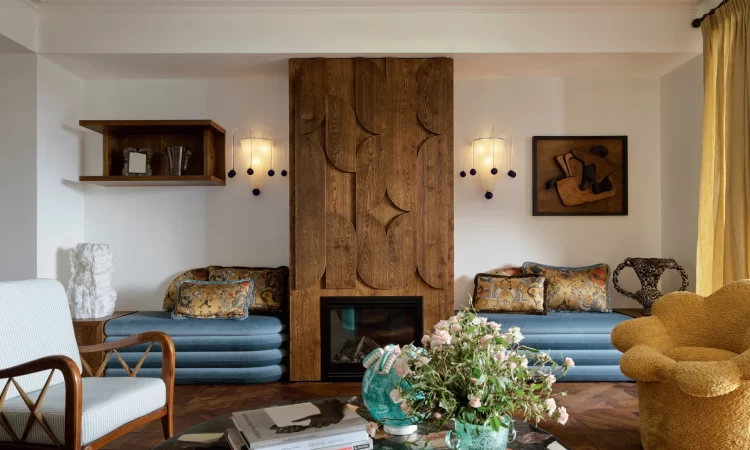

As Australian housing needs evolve, so too does the way we think about space, flexibility, and design. Rising land costs, shifting lifestyles, and a growing focus on sustainability are pushing homeowners and developers to explore smarter, more efficient ways to live — without sacrificing comfort or aesthetics.
One of the most noticeable shifts is the move toward compact, design-forward housing solutions that prioritise quality over sheer size.
Why Smaller Homes Are Gaining Momentum
The traditional “bigger is better” mindset is slowly being replaced by a more thoughtful approach to residential living. Today’s homeowners are asking different questions:
- How efficiently does this space work?
- Can it adapt to changing needs?
- Does it reduce ongoing costs and environmental impact?
Smaller homes, when designed well, often deliver better answers than oversized floor plans. Clever layouts, integrated storage, natural light, and seamless indoor–outdoor connections can make compact homes feel open, calm, and highly functional.
This is where modern prefabricated homes are starting to play a major role in Australia’s housing future.
Prefabrication Meets Design Intelligence
Far from the outdated perception of “cookie-cutter” builds, contemporary prefabricated homes are increasingly design-driven. Precision manufacturing allows for consistent quality, while modular layouts offer flexibility in how spaces are configured.
Many Australians are now exploring prefabricated home designs that combine architectural thinking with faster build times and reduced site disruption. When executed well, prefab construction can deliver refined interiors, strong thermal performance, and a level of finish that rivals — and often exceeds — traditional builds.
Just as importantly, prefabrication opens the door to innovative housing formats that suit modern lifestyles.
Capsule Homes and the Art of Living Small
Another emerging trend is the rise of capsule-style living — compact dwellings designed around efficiency, comfort, and intentional use of space.
Unlike temporary accommodation or novelty structures, today’s capsule homes are carefully designed environments. Every element is considered: circulation, storage, acoustics, lighting, and material choice. The result is a living space that feels purposeful rather than constrained.
Thoughtful capsule home design focuses on how people actually live — whether that’s working remotely, hosting short-term guests, or creating a peaceful retreat in a limited footprint. These homes are increasingly used for backyard studios, guest accommodation, eco-tourism stays, and lifestyle-driven developments.
Design as a Lifestyle Choice
What connects prefab homes, capsule living, and compact housing more broadly is a shift in mindset. Design is no longer just about visual appeal — it’s about how space supports daily life.
Australians are embracing homes that:
- Use space efficiently
- Adapt to changing needs
- Reduce environmental impact
- Feel intentional rather than excessive
As design innovation continues to intersect with new construction methods, compact living is becoming less of a compromise and more of a conscious choice.
Looking Ahead
The future of Australian housing is likely to be defined not by size, but by how intelligently space is designed and built. Whether through prefabrication, modular systems, or capsule-style layouts, the emphasis is shifting toward flexibility, efficiency, and thoughtful living.
For designers, builders, and homeowners alike, this presents an exciting opportunity to rethink what “home” really means — and how good design can make less feel like more.